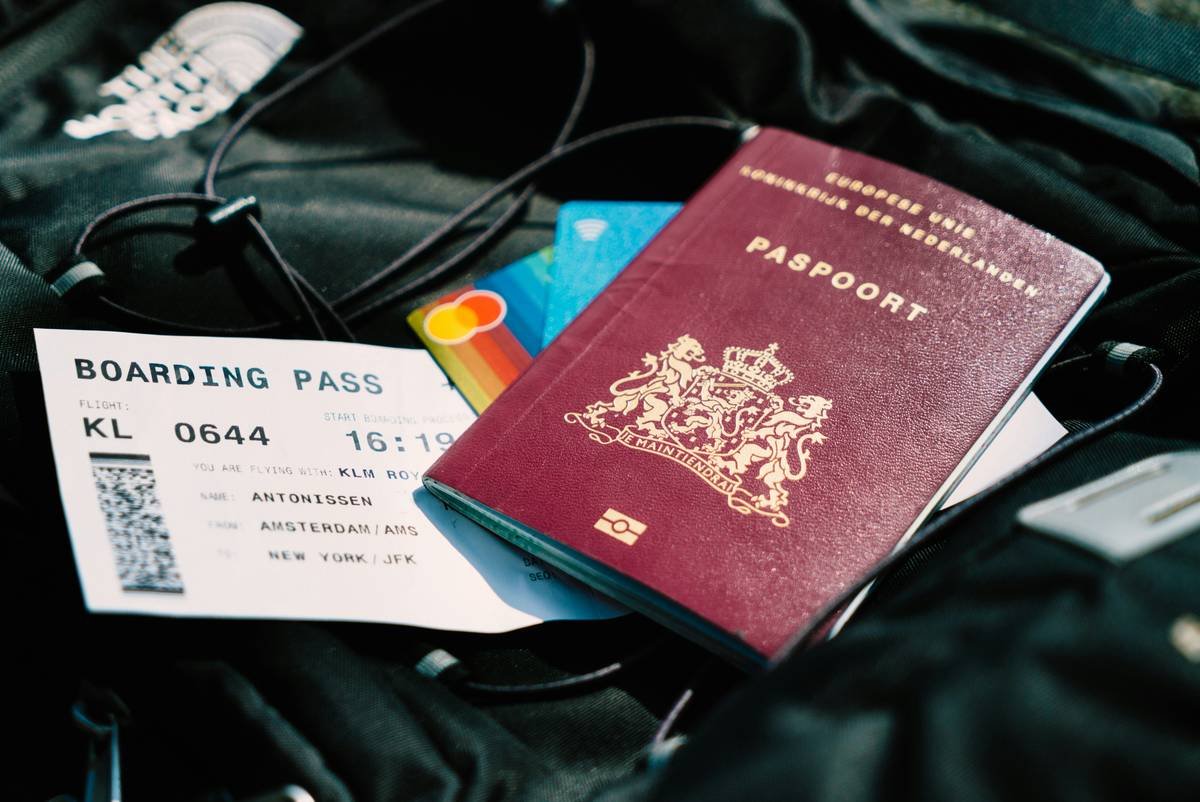
Ever sprinted through an airport like Jason Bourne—passport in hand, shoes untied, heart pounding—only to watch your connecting flight pull away from the gate? You’re not alone. Over 30% of international travelers experience a missed connection each year, according to IATA (International Air Transport Association) data. And if you’re stuck in Frankfurt for 12 hours with no hotel voucher and a $400 rebooking fee… yeah, that’s when “connection insurance” stops sounding like travel jargon and starts sounding like salvation.
In this post, I’ll break down everything you need to know about missed connection insurance—from what it actually covers (spoiler: not all policies are created equal) to real stories where it saved—or failed—travelers. You’ll learn:
- Who really needs missed connection coverage (hint: it’s not just business travelers)
- How to read policy fine print like a claims adjuster
- Why most people file claims incorrectly—and how to avoid that mistake
Table of Contents
- Why Missed Connections Hurt More Than Your Feet
- How to Buy (and Actually Use) Missed Connection Insurance
- Best Practices for Maximizing Your Coverage
- Real Stories: When Connection Insurance Saved the Day (or Didn’t)
- Connection Insurance FAQs
Key Takeaways
- Missed connection insurance covers costs like rebooking fees, accommodation, and meals—but only if your delay wasn’t your fault.
- Most standard travel insurance plans exclude missed connections unless you buy add-on coverage or book a standalone policy.
- Airlines are not legally required to cover missed connections on separate tickets—even if it’s their fault.
- You typically have 24–72 hours to notify your insurer after a missed connection. Late claims = automatic denial.
Why Missed Connections Hurt More Than Your Feet
If you’ve ever booked two separate flights (say, Delta from Atlanta to Paris, then Air France from Paris to Nice), you’ve played Russian roulette with layovers. Airlines treat those as independent bookings. So when Delta’s late? Air France won’t bat an eyelash—and you’re left stranded with a non-refundable hotel in Nice and a €200 Eurostar ticket burning a hole in your wallet.
I learned this the hard way in 2019. Flew JFK → London Heathrow on British Airways, then planned to catch a Ryanair flight to Dublin three hours later. BA delayed due to de-icing. By the time I cleared immigration, Ryanair had closed check-in. Total cost to me: $680 for a new ticket + one night at a Heathrow pod hotel that smelled faintly of stale socks and regret.
That’s when I dug into missed connection insurance—and realized most travelers don’t understand three critical truths:
- Airline responsibility stops at a single ticket. Book flights together under one PNR (Passenger Name Record)? The airline must rebook you. Book separately? You’re on your own.
- “Travel delays” ≠ “missed connections” in insurance terms. Delay coverage reimburses you for food or lodging during a long wait. Missed connection coverage specifically pays for rebooking onto a new itinerary.
- Minimum connection times (MCTs) matter. If your layover is shorter than the airport’s published MCT (e.g., 55 minutes at LAX for international→domestic), insurers can deny your claim—even if the first flight was late.
How to Buy (and Actually Use) Missed Connection Insurance
Buying coverage is easy. Using it correctly? That’s where 80% of travelers fail. Here’s your step-by-step game plan:
Step 1: Choose the Right Policy Type
There are three paths:
- Standalone missed connection insurance (e.g., Travel Guard’s “Connecting Flight Protection”): Best for complex itineraries with separate tickets.
- Add-on coverage to a comprehensive travel insurance plan (offered by Allianz, World Nomads, etc.).
- Credit card travel insurance: Some premium cards (like Chase Sapphire Reserve) include limited missed connection benefits—but read exclusions carefully.
Step 2: Verify Coverage Triggers
Your policy should cover missed connections caused by:
- Airline delays/cancellations
- Denied boarding
- Immigration or security hold-ups (rare, but possible)
Avoid policies that exclude “weather” or “mechanical issues”—those cause 70% of delays.
Step 3: File Your Claim Correctly
When disaster strikes:
- Get written proof of delay from the first airline (gate agent stamp or email).
- Keep all receipts: new tickets, hotel, meals (yes, even that sad airport sushi).
- Contact your insurer within 24 hours. Most require immediate notification via app or phone.
Optimist You: “Just snap a pic of your boarding pass and you’re golden!”
Grumpy You: “Ugh, fine—but only if they reimburse my $9 airport kombucha.”
Best Practices for Maximizing Your Coverage
Here’s how seasoned travelers avoid claim denials:
- Book with buffer time. Always allow 3+ hours for international connections (4+ if entering the U.S.). Insurers often void claims if your layover was below recommended MCT.
- Never skip trip cancellation coverage. Missed connection insurance usually requires your entire trip to be insured—not just segments.
- Use direct payment options. Providers like Berkshire Hathaway offer “direct pay” for rebooked flights, so you don’t front hundreds upfront.
- Flag pre-existing conditions. If you’re prone to medical delays, ensure your policy includes “medical emergency” as a covered reason.
Real Stories: When Connection Insurance Saved the Day (or Didn’t)
Success Story: Sarah K. (Austin → Tokyo via Vancouver) missed her Air Canada → ANA flight due to winter storm delays. Her Allianz plan reimbursed $1,120 for a same-day replacement ticket and one night at YVR Fairmont. Key? She filed within 12 hours and had airline delay documentation.
Failure Story: Mark T. booked JFK → Madrid on American, then Madrid → Lisbon on TAP Portugal (separate tickets). His 75-minute layover was under Madrid’s MCT of 90 minutes. Claim denied—despite AA being 2 hours late.
Moral: Layover length is as crucial as the policy itself.
Connection Insurance FAQs
What exactly does “missed connection insurance” cover?
It typically covers reasonable expenses to get you to your final destination: new flight costs, essential lodging, meals (often capped at $50/day), and ground transport. It does not cover lost wages, prepaid tours, or non-refundable excursions.
Do I need it if I booked both flights on one ticket?
Usually no. Airlines are obligated to rebook you at no cost if both flights share a single confirmation number. However, if rebooking causes an overnight stay, some insurers will still cover meals/lodging beyond airline-provided vouchers.
Can I buy it after booking my flights?
Yes—but only within 10–21 days of your initial trip deposit (varies by provider). After that, coverage may exclude pre-existing conditions or be unavailable altogether.
What’s the #1 reason claims get denied?
Failing to prove the delay was beyond your control. No airline delay notice? No claim. Also common: submitting receipts without itemized details (e.g., “food” vs. “lunch at Terminal 3 Sushi Bar – $24”).
Is credit card travel insurance enough?
Sometimes. Cards like Amex Platinum cover up to $500 for missed connections—but only if you paid for the trip with that card, and only for delays over 5 hours. Always compare the policy wording against standalone plans.
Terrible Tip Alert:
“Just show up at the airline desk and demand compensation—they’ll fix it.” Nope. On separate tickets, airline agents literally can’t help you. Save your breath (and rage) for filing a proper insurance claim.
Rant Section:
Why do insurers bury the MCT requirement in 12-point font on page 17 of the policy? It’s 2024. If your app can track my steps, it can flag risky layovers during checkout. Make coverage intuitive—or lose customers to companies that do.
Conclusion
Missed connection insurance isn’t just another checkbox—it’s your financial airbag when travel goes sideways. Remember: book smart (long layovers!), document everything, and choose a policy that covers the real-world chaos of modern air travel. Because the difference between a frustrating detour and a full-blown vacation meltdown often comes down to one little clause in your insurance paperwork.
Like a Tamagotchi, your travel plan needs constant care—feed it buffer time, clean its data (keep receipts!), and never ignore the flashing “delay” alert.