Ever sprinted through an airport like you’re in a heist movie—boarding pass flapping, coffee sloshing, heart pounding—only to watch your connecting flight taxi away without you? Yeah. We’ve been there. And if you think airlines will cover your hotel, meals, and rebooking fees after you miss a connection? Sweet summer child. They won’t.
This post cuts through the fine print fog to explain missed connection insurance—what it is, who needs it, how it actually works (spoiler: not all policies are created equal), and why skipping it could cost you hundreds—or thousands.
You’ll learn:
- Exactly when missed connection insurance kicks in (and when it doesn’t)
- How to compare policies like a pro (not a panicked traveler at Gate B12)
- Real-world claim examples that show why coverage beats hope
- One “terrible” tip everyone gives (we’ll call it out)
Table of Contents
- Key Takeaways
- What Is Missed Connection Insurance—and Why Do You Even Need It?
- How to Choose the Right Missed Connection Insurance Policy
- 5 Pro Tips Most Travelers Ignore (Until It’s Too Late)
- Real Travelers, Real Claims: Did Their Insurance Save the Day?
- Missed Connection Insurance FAQs
- Final Boarding Call: Don’t Fly Blind
Key Takeaways
- Missed connection insurance covers expenses if you miss a connecting flight due to delays, cancellations, or other covered reasons—even on separate tickets.
- Most standard travel insurance plans exclude missed connections unless specifically added or upgraded.
- Airlines are NOT required to compensate you for missed connections on separately ticketed flights.
- Look for policies with 3+ hour minimum delay thresholds and coverage for alternative transport, lodging, and meals.
- Always file claims within 30–90 days; keep every receipt and official documentation.
What Is Missed Connection Insurance—and Why Do You Even Need It?
Missed connection insurance is a specialized travel insurance benefit that reimburses you for additional costs incurred when you miss a connecting flight due to a covered delay—like weather, mechanical issues, or airline cancellation. Crucially, it often applies even if your flights are booked on separate tickets (e.g., flying Delta to JFK, then booking a separate JetBlue ticket to St. Maarten).
Why does this matter? Because airlines treat separately ticketed connections as independent journeys. If you’re late arriving on Flight #1, the airline operating Flight #2 owes you nothing—not a new seat, not a hotel, not even a sad granola bar.
According to the U.S. Department of Transportation, over 21% of flights were delayed in 2023, and nearly 2% were canceled. That might sound low—but if you’re connecting between two of those delayed flights? Suddenly, you’re stranded in Charlotte for 18 hours, blowing $400 on a hotel while your beach vacation evaporates.
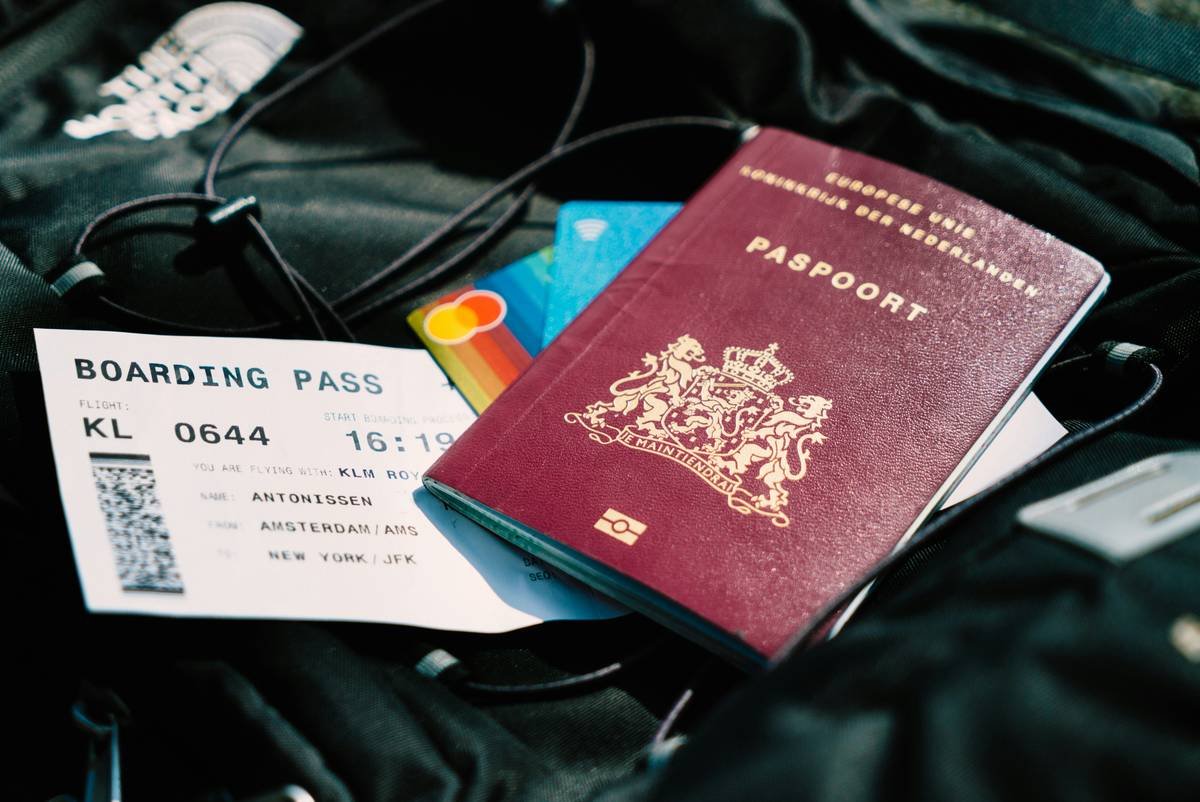
I learned this the hard way in 2022. I’d booked a cheap separate-ticket itinerary: American Airlines from LAX to DFW, then Qatar Airways from DFW to Doha. My AA flight was delayed 2 hours due to crew scheduling—a known issue with regional carriers during holiday surges. By the time I landed, my Qatar flight had left. The airline desk agent shrugged: “Not our problem.” I shelled out $620 for a same-day rebooking and a night at the Hyatt. My basic travel insurance? Denied the claim—it didn’t include missed connection coverage. Ouch.
How to Choose the Right Missed Connection Insurance Policy
Does your current policy even cover missed connections?
Many travelers assume “travel insurance = all-inclusive safety net.” Nope. Most base plans only cover trip cancellation or medical emergencies. Missed connection is usually an upgrade or add-on.
Optimist You: “Just buy any travel insurance!”
Grumpy You: “Ugh, fine—but only if it actually includes missed connection coverage. Otherwise, you’re just paying for placebo protection.”
Step 1: Confirm “Involuntary Delay” Triggers
Your delay must be beyond your control—weather, mechanical failure, air traffic control. Missing your flight because you napped through boarding? Not covered.
Step 2: Check the Minimum Delay Threshold
Good policies kick in after 3–6 hours of delay. Avoid anything requiring 12+ hours—that’s useless for tight connections.
Step 3: Verify Coverage for Separate Tickets
This is critical. Some insurers (like Allianz Global Assistance and Berkshire Hathaway Travel Protection) explicitly cover separately ticketed itineraries if booked as part of the same trip. Others don’t. Read the wording: look for “interline connections” or “independent bookings.”
Step 4: Review Reimbursement Limits
Typical caps range from $500 to $1,500 for reasonable expenses: hotels, meals, ground transport, rebooking fees. Make sure it’s enough for your destination (a night in Reykjavik ≠ a night in Bangkok).
5 Pro Tips Most Travelers Ignore (Until It’s Too Late)
- Book your entire trip under one confirmation number if possible. Even better than insurance? Not needing it. Use multi-city search or alliance partners (Star Alliance, Oneworld) to keep tickets linked.
- Never skip the “Reasonable Expenses” clause. Insurers won’t pay for room service lobster—but they will cover a $120 hotel near the airport. Keep receipts!
- File claims FAST. Most require submission within 30–90 days. Set a phone reminder the moment you’re stranded.
- Avoid layovers under 90 minutes on separate tickets. The average international connection buffer should be 2–3 hours minimum.
- Use your credit card perks first. Premium cards (Amex Platinum, Chase Sapphire Reserve) sometimes include trip delay coverage—but read the fine print. Many exclude separately ticketed connections.
TERRIBLE TIP ALERT: “Just rely on the airline—they’ll take care of you.”
Nope. Not for separate tickets. Not during peak season. Not ever, really. Airlines’ “customer service” during mass disruptions is basically a prayer circle with Wi-Fi.
Rant Section: My Pet Peeve About Missed Connection “Advice”
I’m tired of bloggers saying “just get travel insurance” like it’s a magic incantation. Not all policies are equal! I’ve reviewed dozens—some exclude cruise transfers, others cap reimbursement at $200, and many void coverage if your first flight is on a budget carrier (looking at you, Spirit). Do your homework, or don’t bother buying at all.
Real Travelers, Real Claims: Did Their Insurance Save the Day?
Case Study 1: Sarah K., Connecting via London Heathrow (Separate Tickets)
Sarah flew United from Chicago to London, then booked a separate British Airways ticket to Barcelona. Her United flight was delayed 4 hours due to de-icing in January. She missed her BA flight. With a Berkshire Hathaway Travel Protection plan that included missed connection coverage, she filed a claim with hotel and rebooking receipts—and got reimbursed $785 within 12 days.
Case Study 2: Marcus T., Multi-Leg Island Hopping in Greece
Marcus booked Athens → Mykonos on Aegean Airlines, then Mykonos → Santorini on a local ferry (booked separately). High winds canceled his ferry. His World Nomads policy covered “alternative transportation” and reimbursed €180 for a last-minute speedboat charter. Key detail: his policy defined “public transport” to include scheduled ferries.
Missed Connection Insurance FAQs
Does missed connection insurance cover me if I miss my flight due to immigration/customs delays?
Sometimes—but only if explicitly stated. Most U.S.-based policies exclude immigration delays unless you’re arriving internationally and have a tight connection. Always confirm.
What if I miss my cruise departure due to a delayed flight?
Many comprehensive plans include “missed cruise departure” as part of missed connection benefits—typically up to $1,000 for transport to the next port. Verify before booking.
Can I buy missed connection insurance after booking my trip?
Yes—but usually only within 10–21 days of your initial trip deposit, and before departure. Post-departure purchases rarely include trip interruption benefits like this one.
Are award flights covered?
Yes, as long as you paid taxes/fees (which count as your “prepaid non-refundable expense”). The insurance doesn’t care if your ticket was cash or points—only that you suffered a financial loss.
Final Boarding Call: Don’t Fly Blind
Missed connection insurance isn’t glamorous. It won’t get you lounge access or free champagne. But when your day implodes in Terminal 4 at 2 a.m., it’s the difference between panic and peace of mind.
Remember:
✅ Coverage is often an add-on—don’t assume it’s included.
✅ Separate tickets = higher risk = greater need for this coverage.
✅ Document everything and file fast.
Travel should thrill—not traumatize. Protect your plans with a policy that actually covers what can go wrong. Because no one wants their vacation story to start with “So I slept on an airport floor…”
Like a flip phone snapping shut—your travel plan needs reliable closure. Don’t leave it dangling.