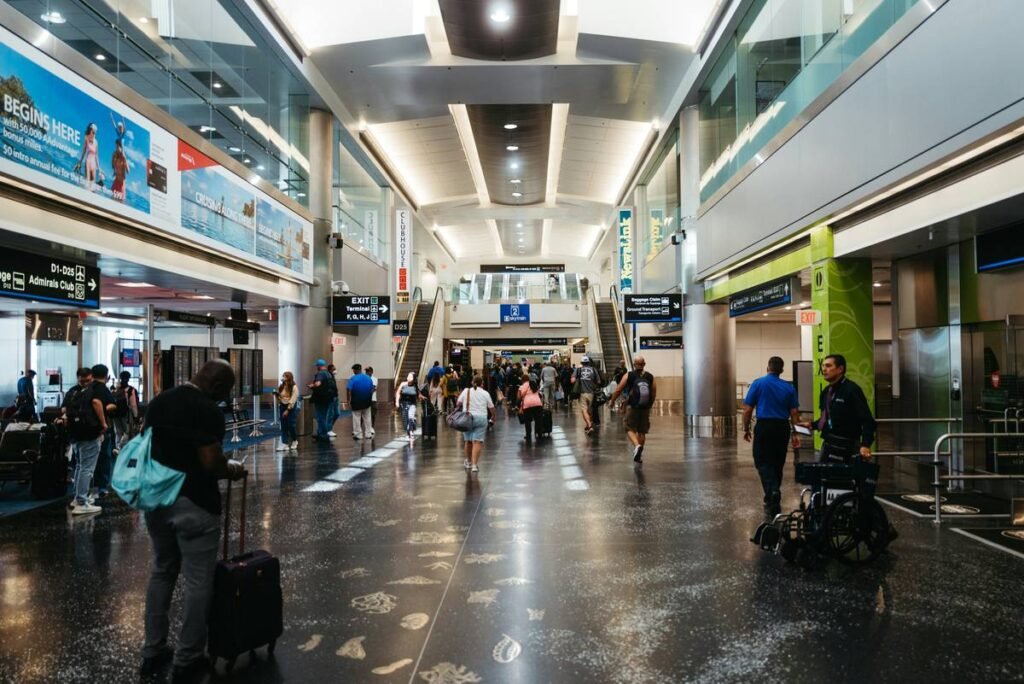
You’re stranded. Your inbound flight lands 45 minutes late—just enough to miss your connecting international departure. No rebooking guarantee. No airline rep in sight. Panic sets in. But what if you already had a backup plan? Alternate Flight Booking isn’t just smart—it’s your lifeline when connections collapse.
Why Airlines Won’t Save You (And Why Travel Insurance Often Falls Short)
Airlines treat missed connections like force majeure—even on the same ticket. Their “protection” often means rebooking you two days later. Basic travel insurance? It usually excludes missed connections unless you’ve purchased a specific add-on or met rigid timing thresholds.
And here’s the kicker: most policies require you to wait for the airline to officially declare a delay before activating coverage. By then, cheap seats are gone—and prices skyrocket. Think about it. You’re stuck paying $1,200 for a last-minute flight while your policy sits useless.
How to Secure Alternate Flight Booking Like a Pro
Don’t wait for chaos. Build redundancy into your itinerary. The goal? Have a viable backup flight ready to book the moment your original connection wobbles.
Step 1: Identify High-Risk Connection Points
If your layover is under 90 minutes internationally—or under 60 minutes domestically—flag it as high-risk. Add buffer time mentally, but also digitally. Use tools like FlightAware or Google Flights’ “track price” feature to monitor alternate options from the same airport.
Step 2: Pre-Identify Alternate Flights
Pick 2–3 realistic alternatives departing within 3–6 hours of your scheduled connection. Same destination. Different carrier or time. Save them in incognito tabs or screenshot fare calendars. Pro tip: focus on airlines with interline agreements—they’ll sometimes honor tickets even if you book separately.
Step 3: Pair With the Right Missed Connection Coverage
Not all travel insurance is equal. You need a policy that explicitly covers “missed connections due to delayed inbound transport” and allows self-rebooking reimbursement. Skip plans that cap coverage under $500—you’ll need at least $1,000–$2,000 to cover real-world scenarios.
| Strategy | Cost Impact | Time Saved | Coverage Required? |
|---|---|---|---|
| Relying solely on airline rebooking | $0 upfront | 12–72+ hours | No |
| Basic travel insurance (no missed connection rider) | $80–$150 | Often none—exclusions apply | Yes, but ineffective |
| Pre-researched Alternate Flight Booking + specialized insurance | $120–$220 (premium) + potential fare difference | Under 2 hours | Yes—with explicit missed connection clause |

The Industry Secret: “Shadow Itineraries” Used by Frequent Flyers
Top-tier road warriors don’t just book one ticket. They create a “shadow itinerary”—a fully refundable or flexible economy ticket on a competing carrier, booked separately, held in reserve. If their main connection fails, they instantly switch. The cost? Maybe $40–$70 extra for refundable flexibility. The payoff? Avoiding a $1,500 emergency fare.
Here’s the reality: airlines won’t tell you this works because it cuts into their change fee revenue. And most insurers don’t advertise it because they fear abuse—but when done ethically and documented properly, it’s reimbursable under strong missed connection clauses. The math is simple: pay $180 now for peace of mind, or risk $1,800 later in chaos.
Frequently Asked Questions
What qualifies as a missed connection under insurance?
Most policies require your inbound flight to be delayed beyond a threshold (e.g., 3+ hours) causing you to miss a pre-paid, confirmed onward leg—domestic or international.
Can I book an alternate flight myself and get reimbursed?
Yes—if your policy includes missed connection coverage and you keep receipts, boarding passes, and proof of delay. Always notify your insurer immediately.
Is Alternate Flight Booking worth it for short domestic trips?
Rarely. Focus this strategy on international travel, multi-leg journeys, or non-refundable cruises/hotels where missing a connection triggers major financial loss.