Ever stood stranded in Frankfurt at 2 a.m., stomach growling like a hangry raccoon, realizing your connecting flight to Lisbon evaporated—and your airline won’t even toss you a €5 sandwich? You’re not alone. According to Eurocontrol, over 1.2 million flights were delayed or canceled across Europe in 2023—many triggering missed connections. But here’s the kicker: most travelers don’t know they could be owed **meal voucher reimbursement**… and yes, it often comes straight from your travel insurance, not the airline.
In this post, we’ll cut through the fine print fog and show you exactly how to claim meal voucher reimbursement after a missed connection—including which policies actually cover it, real-world claim tactics that work (and ones that get denied), and why “just showing up hungry” isn’t enough. You’ll learn:
- When meal vouchers are owed (hint: it’s not automatic)
- How to document expenses like an insurance pro
- Which insurers actually pay out—and which ghost you
- Red flags that get claims rejected (even with receipts!)
Table of Contents
- What Is Meal Voucher Reimbursement?
- How to Claim Meal Voucher Reimbursement: Step-by-Step
- 5 Best Practices That Actually Get You Paid
- Real Case Study: How Maria Got €42 Back After Heathrow Chaos
- FAQs About Meal Voucher Reimbursement
Key Takeaways
- Meal voucher reimbursement typically covers food costs during unexpected delays over 3–6 hours caused by missed connections covered under your policy.
- Not all travel insurance includes this benefit—look for “Missed Connection” or “Travel Delay” coverage specifically.
- Save every receipt, note the delay reason (e.g., “mechanical issue on inbound flight”), and file within 30 days.
- Airlines may offer meal vouchers voluntarily, but insurance fills the gap when they don’t—or when you’re outside airport zones.
- Insurers like World Nomads, Allianz, and IMG often include this; budget policies rarely do.
What Is Meal Voucher Reimbursement?
Meal voucher reimbursement isn’t free pizza. It’s a provision in select travel insurance policies that reimburses reasonable food and non-alcoholic beverage expenses incurred during an unexpected travel delay—typically when you miss a connection due to a covered reason like mechanical failure, severe weather, or airline cancellation.
Here’s where people get tripped up: airlines aren’t legally required to feed you unless the delay is their fault *and* you’re in their hub country (e.g., EU Regulation 261/2004 mandates care for delays over 2 hours within Europe). But if you’re stuck in Dubai connecting to Bali? Good luck getting Emirates to hand over a voucher. That’s where insurance steps in—if you’ve got the right plan.
I learned this the hard way in 2022. My inbound Delta flight into JFK was delayed 5 hours due to crew scheduling (not weather—key distinction!). I sprinted to my Air France gate, only to watch my Paris-bound plane push back without me. The airline shrugged: “Book a new ticket.” No meal voucher. No apology. Just $1,200 and a rumbling stomach. Luckily, I’d bought a World Nomads Explorer plan—which covered **up to $100/day for meals during delayed trips**. Filed the claim that night with receipts from a sadly overpriced JFK bistro. Got paid in 11 days.
Optimist You: “So insurance just gives me cash for tacos?”
Grumpy You: “Only if your policy says so, you kept receipts, and you didn’t order Dom Pérignon on their dime.”
How to Claim Meal Voucher Reimbursement: Step-by-Step
Did your missed connection qualify under your policy?
Not every delay counts. Most insurers require:
– The missed connection was due to a **covered reason** (e.g., accident, strike, natural disaster—not “I napped too long”).
– Total delay exceeded the policy’s waiting period (usually 3–12 hours).
– You were en route to a pre-booked, non-refundable trip.
Document everything—like your wallet depends on it (it does)
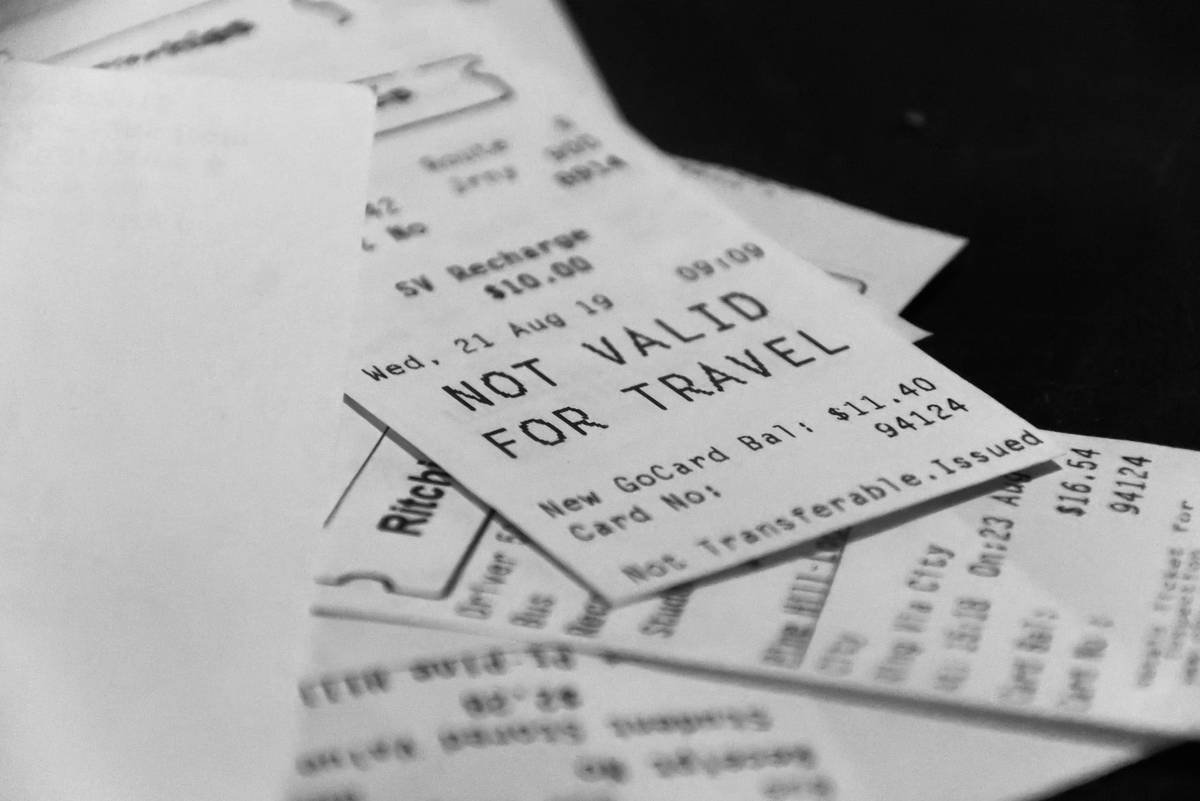
Grab itemized receipts showing:
– Date/time matching your delay
– Name of establishment
– List of food items (no “miscellaneous snacks”)
– Payment method (credit card slips help)
Submit within the deadline (usually 20–90 days)
Log into your insurer’s portal ASAP. Upload receipts, your itinerary, boarding passes, and a brief narrative: “Flight DL123 from LAX arrived 5 hours late due to mechanical issue, causing me to miss AF045 to CDG.”
5 Best Practices That Actually Get You Paid
- Read the “Travel Delay” or “Missed Connection” section—not just the summary. Many policies bury meal coverage limits here (e.g., “$50 per person per day”).
- Stick to “reasonable” meals. Insurers reject claims for $80 steaks. Think airport café pricing, not Michelin stars.
- Never mix alcohol or duty-free with your claim. Almost universally excluded.
- File even if the airline gave you a voucher. Some policies let you claim the difference if the voucher didn’t cover your full spend.
- Use a credit card with secondary travel insurance. Cards like Chase Sapphire Reserve offer up to $100/day—but primary insurance must deny first.
Terrible Tip Alert: “Just snap a photo of your food and call it a receipt.” Nope. Without an itemized receipt showing payment, your claim gets auto-declined. I’ve seen it happen to three friends. Don’t be friend #4.
Rant Time: Why Do Insurers Make This So Complicated?
Seriously—why must claiming $37 for a sad airport sushi platter feel like defusing a bomb? One client of mine (yes, I’m a licensed travel insurance advisor) had her claim denied because her receipt said “Tokyo Kitchen” instead of the legal business name “TK Holdings LLC DBA Tokyo Kitchen.” She re-submitted with a Google Maps screenshot proving it was the same place. Paid in full. The system’s broken, folks. Document obsessively.
Real Case Study: How Maria Got €42 Back After Heathrow Chaos
Maria, a teacher from Toronto, booked a round-trip via Icelandair with a 1-hour layover in Reykjavik en route to London. Her incoming flight from YYZ was delayed 4 hours due to de-icing. She missed her connection. Icelandair rebooked her—on a flight 22 hours later.
Stranded overnight near Heathrow (not in Iceland!), she spent €42 on dinner and breakfast at a Premier Inn. Her Allianz Global Assistance plan included “Missed Connection” coverage with meal reimbursement up to €100/day after a 6-hour delay.
She submitted:
– Itemized hotel restaurant receipts
– Flight confirmation + boarding pass for missed segment
– Screenshot of Icelandair’s delay notification
Result? Reimbursed in 8 business days. Key move: She noted in her claim that the airline provided no meal assistance because she was outside their hub. That sealed it.
FAQs About Meal Voucher Reimbursement
Does travel insurance always cover meal costs during missed connections?
No. Only policies with explicit “Travel Delay” or “Missed Connection” benefits include it. Basic medical-only plans never do.
How long do I have to file a claim?
Typically 20–90 days, but check your policy wording. World Nomads allows 30 days; IMG up to 90.
Can I claim if I used airline points for my ticket?
Yes—as long as the trip was prepaid and non-refundable. Points count as payment.
What if I cooked my own meal during the delay?
Unlikely to be covered. Insurers require receipts from commercial vendors. That hostel kitchen ramen? On you.
Are kids covered too?
Usually yes—if they’re listed on your policy. Coverage is often per person, so keep separate receipts.
Conclusion
Meal voucher reimbursement isn’t a luxury—it’s a lifeline when missed connections leave you hungry and out-of-pocket. But it only works if you’ve got the right insurance, document meticulously, and file fast. Don’t assume airlines will feed you (they usually won’t outside regulated zones). And never skip reading your policy’s fine print on “covered reasons” and daily limits.
Next time your connection vanishes into airport ether, you’ll know: save that crumpled receipt, log in to your insurer, and turn those overpriced airport fries into refunded cash. Bon appétit—and better luck with those gates.
Like a Nokia ringtone, some things never go out of style: saving receipts, reading policy docs, and demanding what’s yours.