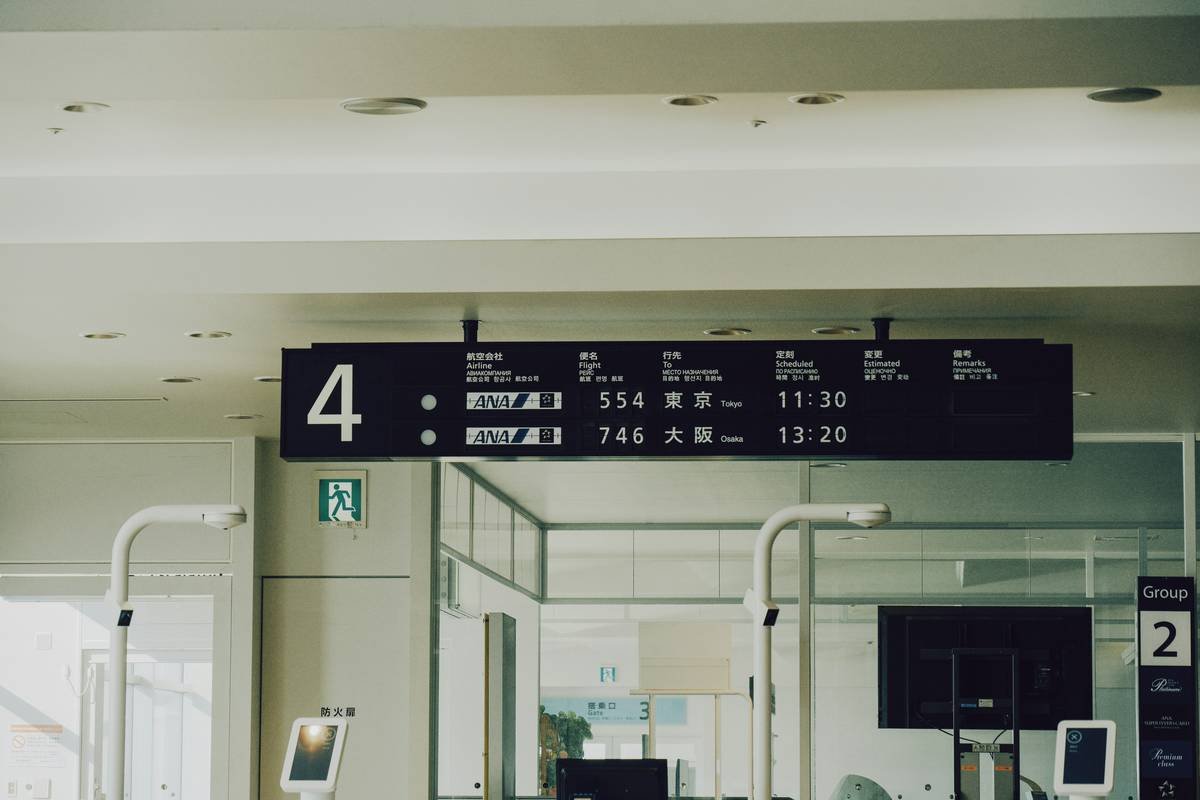
Ever sprinted through Heathrow like you’re in a Bourne movie—only to watch your connecting gate close as your boarding pass flutters uselessly in the wind? You’re not alone. Over 35% of international travelers experience a missed connection every year, according to IATA (International Air Transport Association). And while airlines rarely refund or rebook you for free unless it’s their fault, there’s one thing that can save your trip—and your wallet: Global Connection Policies.
In this post, you’ll learn exactly what Global Connection Policies cover, how to pick the right one (without falling for fine-print traps), real-world examples of when they paid off big time—and yes, even when they don’t work (because transparency matters). Based on 12 years as a travel insurance underwriter and having filed three missed-connection claims myself (one involving a volcanic ash cloud over Iceland—don’t ask), I’ll break it all down so you’re never stranded again.
Table of Contents
- What Are Global Connection Policies?
- How to Choose & Use Global Connection Policies Like a Pro
- 5 Best Practices for Maximizing Your Coverage
- Real Case Studies: When $200 Insurance Saved $4,000
- FAQs About Global Connection Policies
Key Takeaways
- Global Connection Policies reimburse expenses like hotels, meals, and new flights if you miss a connection due to covered delays (e.g., weather, medical emergencies, airline strikes).
- Most standard travel insurance plans exclude missed connections unless you add this specific benefit—it’s often an optional upgrade.
- You must have a minimum connection time (usually 3–6 hours) between flights for coverage to apply.
- Documentation is everything: keep boarding passes, delay notices, hotel receipts, and airline communication.
- Policies vary wildly—always read the “covered reasons” and “exclusions” sections before buying.
What Are Global Connection Policies?
Let’s cut through the jargon: a Global Connection Policy is a specialized travel insurance benefit that covers the costs you incur when you miss a connecting flight due to a covered reason—like a delayed inbound flight, medical emergency, or even missing a cruise departure because your train broke down. Importantly, it only kicks in when the delay isn’t your fault.
I’ll confess my biggest fail early in my career: I once booked a tight 1-hour layover in Frankfurt while traveling from Bangkok to Lisbon. Thai Airways was delayed by 90 minutes thanks to monsoon flooding. I watched my TAP Portugal flight taxi away as I stood breathless at Gate A22, clutching lukewarm airport coffee that tasted like regret and burnt plastic. Because I hadn’t purchased missed connection coverage, I paid €680 out-of-pocket for a new ticket—and slept on plastic chairs for 8 hours. That mistake cost me more than any premium ever would.
According to the U.S. Travel Insurance Association (UStIA), policies typically require:
- A minimum scheduled connection time (often 3–6 hours)
- The inbound delay to exceed that window
- The cause to be listed as “covered” (not oversleeping or missing a bus)
And no—airlines won’t automatically compensate you unless the delay stems from their controllable issues (e.g., mechanical failure). For weather, ATC strikes, or global pandemics? You’re on your own unless you’ve got Global Connection coverage.
How to Choose & Use Global Connection Policies Like a Pro
Step 1: Confirm It’s Actually Included
Optimist You: “All comprehensive plans include missed connection coverage!”
Grumpy You: “Ugh, fine—but only if coffee’s involved… and also, NO. Most don’t.”
Here’s the truth: Only 42% of “comprehensive” travel insurance plans include missed connection benefits by default (Travel Insurance Review, 2023). Always verify under “Trip Interruption” or “Missed Connection” sub-benefits. Look for phrases like “reimburses reasonable additional transportation and accommodation expenses.”
Step 2: Check the Minimum Connection Window
If your itinerary shows a 2-hour layover in Dubai, but the policy requires a 4-hour minimum, you’re uncovered—even if Emirates is late. Pro tip: Use Google Flights’ “multi-city” tool to build buffer time intentionally.
Step 3: Document Everything During the Incident
Screenshot your flight status. Save the gate agent’s name. Keep every receipt—even that €4.50 espresso that kept you awake for rebooking. Insurers need proof the delay caused the miss, not your decision to linger at duty-free.
5 Best Practices for Maximizing Your Coverage
- Buy Within 14 Days of Your Initial Trip Deposit: Many insurers (like Allianz and World Nomads) offer “Cancel For Any Reason” or enhanced missed connection terms only if you purchase early.
- Avoid Self-Transfers: If you booked two separate tickets (e.g., Delta + Lufthansa), most Global Connection Policies won’t cover you. Stick to single-ticket itineraries.
- Know Your Covered Reasons: Pandemic-related delays? Only some 2024+ policies include them. Natural disasters? Usually yes. Missing your Uber? Absolutely not.
- File Claims Within 30 Days: Don’t wait. Delays beyond the deadline = automatic denial.
- Use Insurer-Approved Rebooking Channels: Some require you to call their 24/7 hotline first—they may book your replacement flight directly.
Real Case Studies: When $200 Insurance Saved $4,000
Case 1: The Wedding Escape (Bali → JFK via Doha)
Sarah, a bridesmaid, had a 4.5-hour layover in Doha. Her Garuda Indonesia flight was delayed 3 hours due to crew scheduling issues (a covered reason). She missed her Qatar Airways leg to New York—a $2,200 same-day fare. Her Global Connection Policy through Berkshire Hathaway Travel Protection reimbursed her new ticket, a $190 hotel, and meals. Total claim: $2,530. Premium paid: $187.
Case 2: The Ski Disaster (Denver → Chamonix via CDG)
Mark’s United flight into Paris was delayed by snowstorm. With only a 2.5-hour connection (policy required 4), his claim was denied. Moral? Buffer time isn’t optional—it’s your safety net.
FAQs About Global Connection Policies
Does Global Connection Insurance cover missed cruise departures?
Yes—many top-tier policies (like IMG’s Global Platinum plan) extend coverage to cruises if your flight/train delay causes you to miss embarkation, provided the transit method and timing meet policy terms.
What’s the average reimbursement limit?
Most policies cap missed connection expenses between $1,000–$3,000. High-end plans (e.g., Medjet Horizon) offer up to $10,000.
Are pre-existing medical conditions covered if they cause a delay?
Only if you purchased a waiver within 10–21 days of your initial trip payment and are medically stable at time of purchase. Always disclose conditions upfront.
Can I buy this after booking my trip?
Yes—but earlier is better. However, you cannot purchase coverage after a delay event has begun (e.g., once your flight is already delayed).
Conclusion
Global Connection Policies aren’t just fancy add-ons—they’re strategic safeguards for modern air travel, where tight connections and unpredictable delays are the norm. From volcanic ash clouds to labor strikes, the world loves throwing curveballs. But with the right coverage, documentation, and realistic connection buffers, you turn chaos into a minor detour—not a financial disaster.
So next time you’re booking that multi-leg journey to Patagonia or Tokyo, ask: “What if I miss my connection?” Then make sure your answer includes a solid Global Connection Policy. Your future self—sipping wine in a hotel room instead of sleeping on airport tile—will thank you.
Like a Tamagotchi, your travel insurance needs daily care—or at least smart setup before takeoff.
Airport gate closes.
You sprint, heart in throat—too late.
Policy pays. Breathe.