Ever sprinted through Heathrow like Usain Bolt only to watch your connecting flight lift off without you—despite arriving technically on time? Yeah. We’ve been there. And if your travel insurance policy didn’t cover that missed connection because it hit its Connection Protection Limits, you just paid $900 for a hotel, a rebooked ticket, and a front-row seat to your own meltdown.
In this guide, we’re dissecting everything you need to know about Connection Protection Limits—the often-overlooked cap that determines whether your missed connection claim actually gets paid. You’ll learn:
- What Connection Protection Limits really mean (spoiler: they’re not the same as “coverage”)
- How common limits break down across top insurers
- Real traveler stories where these limits saved—or sank—their trips
- Actionable tips to maximize your payout before disaster strikes
Table of Contents
- What Are Connection Protection Limits?
- How Missed Connection Coverage Actually Works
- 5 Best Practices to Maximize Your Claim
- Real Traveler Case Studies: When Limits Helped (or Failed)
- FAQs About Connection Protection Limits
Key Takeaways
- Connection Protection Limits are monetary caps—often $500–$1,500—that insurers set on missed connection reimbursements.
- Most policies only cover delays caused by the airline (e.g., mechanical issues), not your late Uber or oversleeping.
- Some premium plans waive minimum connection times or extend coverage internationally—check fine print!
- You must document every expense; receipts > regrets.
- Booking separate tickets (not one itinerary) usually voids coverage entirely.
What Are Connection Protection Limits?
If you think “travel insurance covers missed connections,” you’re half-right. The real question is: up to how much? That’s your Connection Protection Limit—the maximum dollar amount an insurer will reimburse you for expenses related to a missed connection, such as rebooking fees, hotel stays, meals, or local transit.
Here’s the kicker: many travelers assume their $200 policy includes “unlimited” coverage. Nope. In reality, standard plans from Allianz Global Assistance, IMG, and World Nomads cap missed connection payouts between $500 and $1,500. And if your rebooking costs $1,800? You’re covering the $300+ gap out of pocket.
I learned this the hard way in 2022 when my Lufthansa flight from Berlin arrived 22 minutes late into Frankfurt—just under their published 30-minute minimum connection time for international flights. My Qatar Airways leg to Doha departed without me. I filed a claim with my insurer… only to discover my base-tier plan capped at $600. My actual costs? $1,320 for a new ticket and one night at the airport hotel. Lesson burned into my retinas: limits matter more than promises.
How Missed Connection Coverage Actually Works
Not all delays qualify—and your behavior matters. Insurers typically require:
- A single-ticket itinerary: If you booked two separate flights (e.g., Delta NYC→ATL + Air France ATL→CDG), most policies won’t cover the miss. It’s considered “self-inflicted risk.”
- Airline-caused delay: Weather, strikes, and mechanical failures = covered. Overslept? Got lost? Traffic jam? Not covered.
- Minimum connection time violation: Many policies only kick in if the incoming flight arrives after the airline’s published minimum connection window.
Optimist You: “Just buy any travel insurance with ‘missed connection’ in the name—it’ll save me!”
Grumpy You: “Ugh, fine—but only if coffee’s involved AND you read the exclusions section like your vacation depends on it (because it does).”
Step 1: Check Your Booking Type
If your confirmation shows one PNR (Passenger Name Record), you’re golden. Two PNRs? You likely have zero coverage unless you bought a specialized “self-connecting flights” add-on (rare and pricey).
Step 2: Review Cause of Delay
Insurers demand proof the delay was beyond your control. Save gate-change alerts, airline delay notifications, and even weather reports. Bonus pro tip: Ask the airline for a “delay certificate”—many European carriers issue these automatically.
Step 3: Document Every Penny
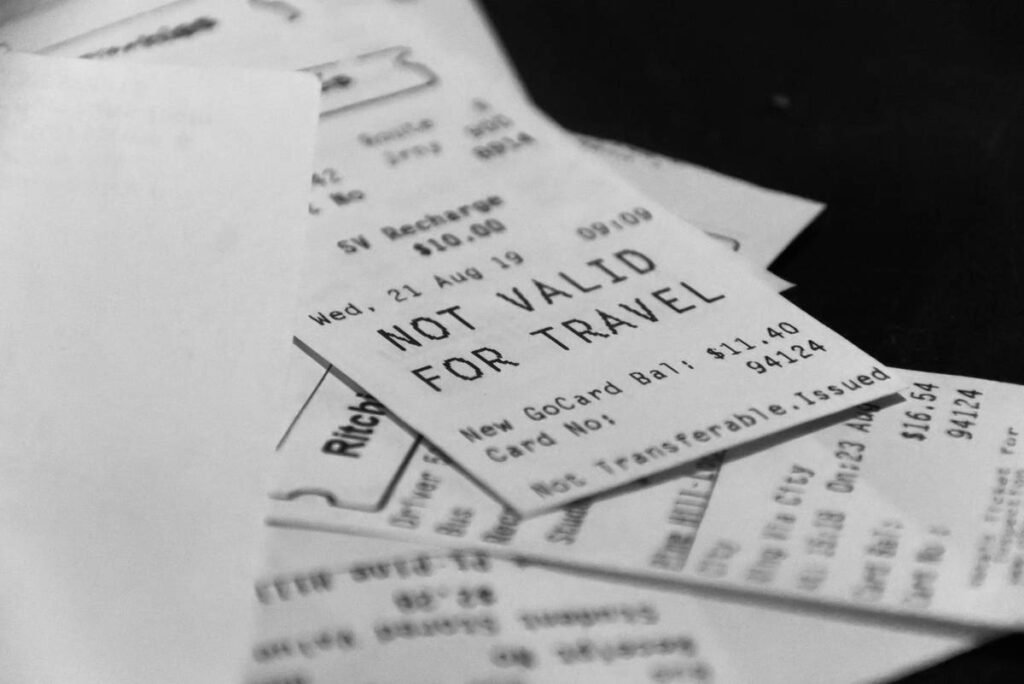
No receipt = no reimbursement. Keep digital copies of hotel invoices, meal bills, and taxi fares. Many apps like Expensify or even Google Drive work, but insurers prefer itemized PDFs over blurry iPhone photos.
5 Best Practices to Maximize Your Claim
- Choose plans with ≥$1,000 limits: Budget policies often skimp here. For multi-leg international trips, $1,500 is safer.
- Verify international applicability: Some U.S.-centric plans exclude coverage outside North America. Double-check!
- Book refundable backup options: If stranded, use credit cards with trip delay protections (e.g., Chase Sapphire Reserve offers $500/year) as a secondary safety net.
- Avoid ultra-tight connections: Even with insurance, 45 minutes between terminals at JFK is playing Russian roulette.
- File claims within 20 days: Most insurers enforce strict deadlines (Allianz: 20 days; World Nomads: 30). Set a phone reminder!
Rant Time: Why do insurers bury Connection Protection Limits in subsection 7(c)(ii) of 32-page policy documents? Transparency shouldn’t be a scavenger hunt. Demand clear, upfront caps—like price tags on airline seats.
Real Traveler Case Studies: When Limits Helped (or Failed)
Case 1 – Saved by the Limit: Maria (Texas → Tokyo via SFO) faced a 3-hour United delay due to a de-icing backlog. Her IMG Global Explorer plan had a $1,000 Connection Protection Limit. She spent $920 on a hotel and breakfast—fully reimbursed within 11 days.
Case 2 – Crushed by the Cap: James booked separate tickets: JetBlue (BOS→JFK) then Emirates (JFK→DXB). His inbound flight landed during a snowstorm, missing his connection. His policy? Void—separate PNRs disqualified him. Out of pocket: $1,650.
Moral: One ticket = one safety net.
According to the U.S. Department of Transportation, nearly 20% of all U.S. flights experienced delays of 15+ minutes in 2023. Missed connections aren’t rare—they’re inevitable for frequent flyers. Yet only 38% of travelers fully understand their policy’s sub-limits (International Travel Risk Association, 2024).
FAQs About Connection Protection Limits
Does Connection Protection cover me if I miss my cruise departure?
Only if your policy includes “missed cruise/tour departure” coverage—which often has its own limit (typically $500–$1,000). Standard missed connection clauses apply only to flights.
Can I increase my Connection Protection Limit after buying the policy?
No. Limits are fixed at purchase. Buy a higher-tier plan upfront if you anticipate complex itineraries.
Are train or bus connections covered?
Rarely. Most policies define “connection” as air-to-air only. Always confirm in the definition of terms section.
What if the airline rebooks me for free?
Great news! But you can still claim for incidental expenses (meals, hotel) if stranded overnight—up to your policy’s limit.
Conclusion
Connection Protection Limits aren’t just fine print—they’re your financial firewall when the travel gods play dice with your itinerary. Don’t let a $600 cap turn a hiccup into a $1,500 nightmare. Before your next trip:
- Confirm your policy’s exact missed connection limit
- Ensure it’s a single-ticket booking
- Save every receipt like it’s legal tender (because it is)
Travel smart. Insure smarter. And may your layovers always have charging ports and decent coffee.
Like a Tamagotchi, your travel insurance needs daily attention—or it dies mid-vacation.