Ever sprinted through an airport like Jason Bourne—backpack flapping, boarding pass crumpled in your fist—only to watch your connecting flight taxi away without you? You’re not alone. According to the U.S. Department of Transportation, over 700,000 passengers experienced missed connections in 2023 alone. And here’s the kicker: most of them weren’t reimbursed a dime.
If you’re booking multi-leg trips—especially internationally—you need to understand “missed trip” coverage (often bundled under “missed connection insurance”). This post cuts through the fine print so you know exactly what’s covered, how to claim it, and why skipping it could cost you thousands.
You’ll learn:
- How “missed trip” differs from standard trip cancellation
- Real-world scenarios where this coverage saved travelers
- Step-by-step guidance on choosing the right policy
- A brutally honest rant about misleading insurance marketing
Table of Contents
- What Exactly Is “Missed Trip” Coverage?
- How to Pick the Right Missed Connection Insurance
- 5 Best Practices to Avoid Claim Denials
- Real Traveler Stories: When Missed Trip Insurance Saved the Day
- Missed Trip Insurance FAQs
Key Takeaways
- “Missed trip” insurance covers expenses when you miss a flight, cruise, or tour due to delayed transport—not cancellations.
- Most policies require a minimum delay threshold (often 3–6 hours) before coverage kicks in.
- Always confirm your policy includes “missed connection” as a standalone benefit—it’s not automatic.
- Documentation is non-negotiable: keep boarding passes, delay notices, and receipts.
- Pre-existing conditions and airline-caused delays may limit coverage unless you buy a CFAR upgrade.
What Exactly Is “Missed Trip” Coverage?
Let’s clear up the confusion first: “missed trip” isn’t about canceling your vacation because you got food poisoning. It’s specifically for when you *can’t reach* your next travel segment due to a prior delay—like a storm grounding your inbound flight, causing you to miss your cruise departure or international connection.
I learned this the hard way in 2019. I was flying JFK → London → Santorini. Heavy fog in NYC delayed my British Airways flight by 4 hours. By the time I landed in Heathrow, my Aegean Airlines connector had left. The airline shrugged: “Not our fault.” I slept in Terminal 5, paid €380 for a new ticket the next day, and lost a full day of my honeymoon.
Had I known about missed connection insurance—which I didn’t have—I could’ve been reimbursed for rebooking fees, hotel stays, and even meals during the layover. Instead, I footed the bill while eating sad airport sushi that tasted like regret.

Unlike trip cancellation insurance—which refunds prepaid, non-refundable costs if you cancel before departure—missed trip coverage activates *during* your journey. It’s a subset of “trip interruption” benefits but with a laser focus on transit gaps between legs.
How to Pick the Right Missed Connection Insurance
Does your current policy actually cover missed connections?
Optimist You: “All travel insurance covers delays!”
Grumpy You: “LOL nope. My Capital One card ‘travel protection’ excluded ground transport delays last year. Check your plan—or lose cash.”
Here’s how to verify real coverage:
- Look for “Missed Connection” as a listed benefit. Not just “trip delay” or “interruption.” Some insurers bury it under jargon like “travel schedule change.”
- Check the minimum delay requirement. Most require 3–6 hours of delay before reimbursement starts. World Nomads uses 6 hours; Allianz Global Assistance uses 3.
- Confirm covered expenses. Does it include rebooking fees? Hotel? Meals? Baggage forwarding? Allianz, for example, caps meals at $50/day.
- Verify transport modes covered. Some exclude trains, buses, or private charters—critical for European or Southeast Asian itineraries.
The terrible tip nobody warns you about
“Just rely on your credit card’s travel insurance!”
Why it’s dangerous: Most premium cards (Chase Sapphire, Amex Platinum) offer *secondary* coverage—they only pay after your primary insurer denies the claim. And many exclude missed connections entirely unless the delay exceeds 6+ hours. Always read the Guide to Benefits PDF, not the marketing brochure.
5 Best Practices to Avoid Claim Denials
Insurance companies deny ~15% of travel claims annually (Travel Insurance Association of America). Don’t become a statistic. Do this:
- Buy within 10–21 days of your first deposit. Many insurers (like IMG and Travel Guard) waive pre-existing condition exclusions only if purchased early.
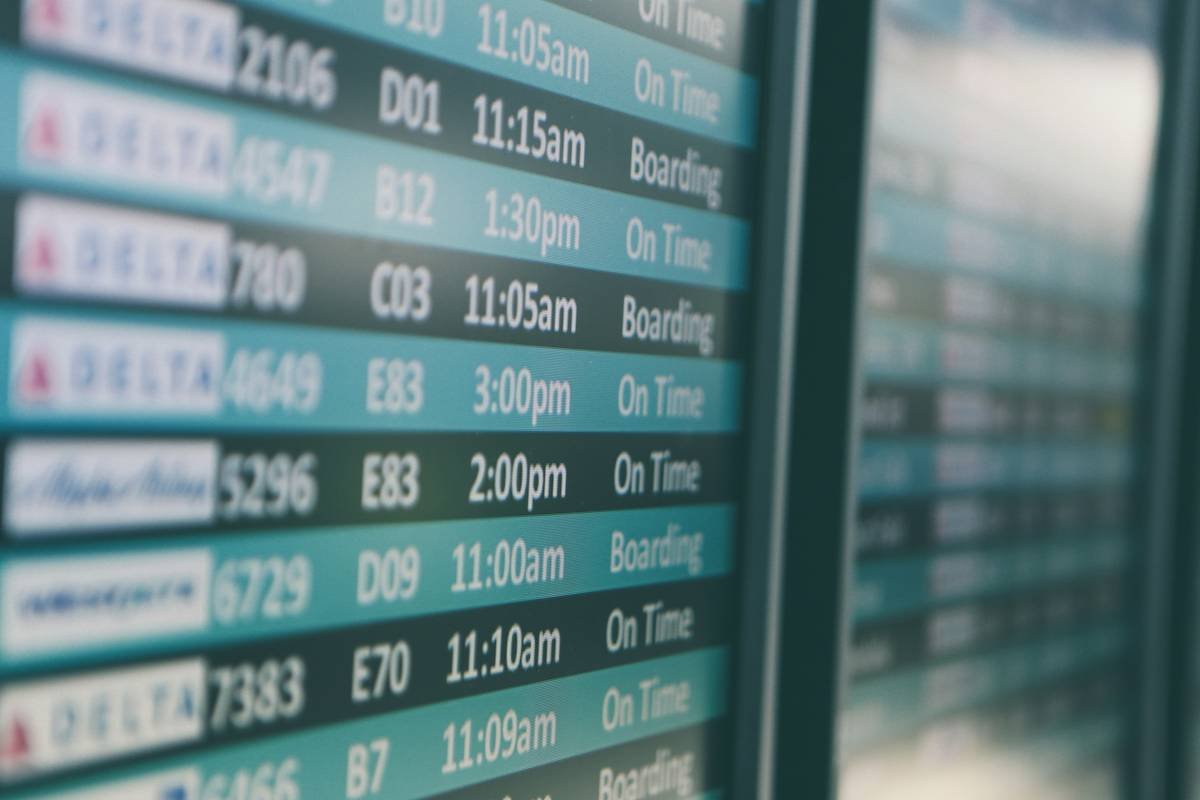
- Document everything in real time. Snap photos of airport delay boards, save email alerts, and get written confirmation from airlines.
- Don’t rebook without approval. Call your insurer *before* buying a new ticket—they may direct you to specific carriers or fare classes.
- Include ALL receipts. Even that €4 coffee while waiting 5 hours in Frankfurt counts (if your policy has meal allowances).
- Avoid “Known Events.” If a strike is announced before you buy insurance, it’s excluded. Missed trip = unforeseen delays only.
Real Traveler Stories: When Missed Trip Insurance Saved the Day
Case Study #1: Sarah K., Bali Honeymoon Rescue
Sarah’s flight from LAX to Denpasar connected through Seoul. A typhoon grounded her Korean Air leg for 12 hours. She missed her resort’s included sunset dinner cruise (non-refundable, $600). Her Arch RoamRight policy reimbursed $1,100: $600 for the cruise + $500 for a hotel and meals. Key? She’d bought the plan within 14 days of deposit—and kept every receipt.
Case Study #2: Mark T., Antarctic Expedition Saved
Mark’s charter flight from Punta Arenas to Antarctica was canceled due to wind. He missed his ship’s departure—$18,000 gone. But his Travelex Insurance Services plan covered “missed expedition embarkation” up to 150% of trip cost. He got $27,000 (including rebooking on the next voyage). Pro move: He’d upgraded to “Cancel For Any Reason” (CFAR), which broadened coverage beyond standard triggers.
Missed Trip Insurance FAQs
Is “missed trip” the same as “missed connection”?
Yes—in industry terms, they’re used interchangeably. Both refer to missing a downstream travel component due to a prior delay.
Will it cover me if I oversleep and miss my flight?
No. Coverage applies only to *unforeseen, documented delays* caused by carriers, weather, strikes, or medical emergencies—not personal negligence.
Do I need it for domestic flights?
If your itinerary has tight connections (<3 hours) or involves separate tickets (e.g., Delta + Southwest), yes. Separate tickets = zero airline liability if you miss the second leg.
How much does missed connection insurance cost?
Typically 4–10% of your total trip cost. A $3,000 trip = $120–$300. Compare plans on Squaremouth or InsureMyTrip—they filter for “missed connection” as a benefit.
Can I buy it after I’ve already departed?
No. Policies must be purchased before your trip start date. Some allow mid-trip upgrades, but missed connection coverage is rarely included post-departure.
Conclusion
Missed trip insurance isn’t glamorous—but it’s the duct tape of travel planning: invisible until you desperately need it. With air travel disruptions at record highs (DOT reports a 24% increase in flight delays since 2022), assuming “it won’t happen to me” is a gamble with real financial stakes.
Do this now: Open your upcoming itinerary. If it has more than one leg—especially across different airlines or transport modes—check if your current insurance covers missed connections. If not, spend 10 minutes comparing plans. That €380 airport sushi tab I mentioned? Yeah. Don’t be me.
Like a Nokia ringtone, good travel insurance is annoying until you realize it’s saving your life.