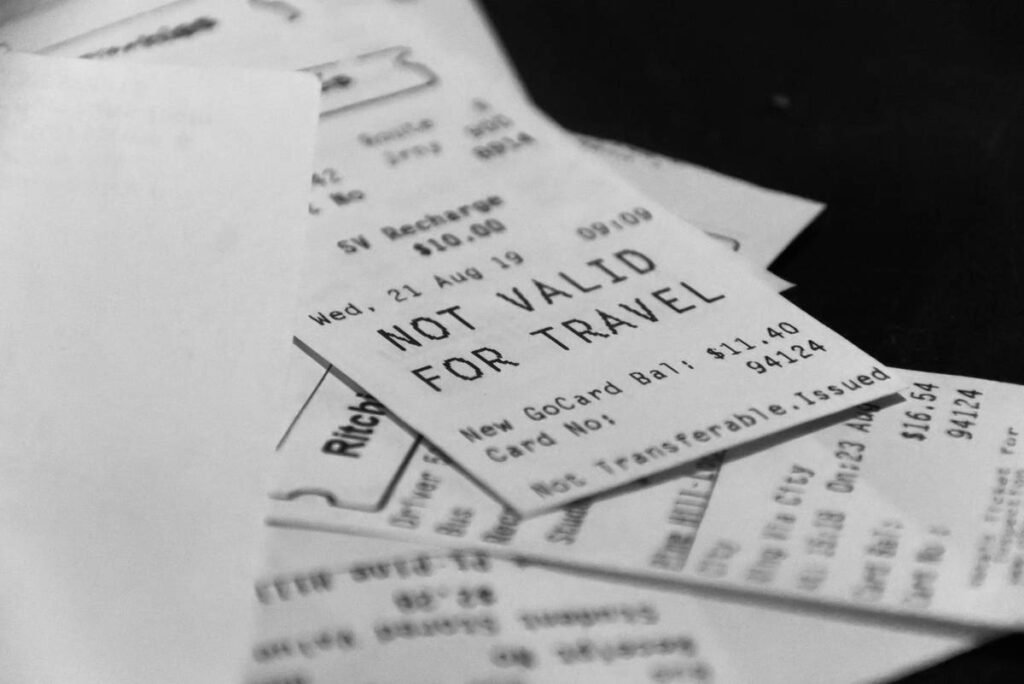
Ever stood stranded in Heathrow at 3 a.m., watching your connecting flight to Santorini vanish into the fog—phone dead, passport buried in checked luggage you’ll never see again, and zero clue who to call? Yeah. That was me in 2019. And guess what? My “emergency contact list” had my mom’s home number… from 2008. (Spoiler: She switched carriers. Twice.)
If you’re traveling internationally—even just once this year—you need more than a scribbled list of names. You need an Emergency Contact List built for real-world chaos, backed by the right insurance coverage, especially missed connection insurance. This post breaks down exactly how to create one that actually works when your itinerary implodes.
You’ll learn:
- Why generic emergency lists fail during travel disruptions
- How missed connection insurance intersects with emergency planning
- Step-by-step instructions to build a functional, actionable Emergency Contact List
- Real examples (including my own facepalm moment) that prove why this matters
Table of Contents
- Why Emergency Contact Lists Fail Travelers
- How to Build a Missed Connection-Proof Emergency Contact List
- 5 Best Practices for Your Emergency Contact List
- Real-World Case Study: Stranded in Frankfurt
- FAQs About Emergency Contact Lists and Travel Insurance
Key Takeaways
- An Emergency Contact List isn’t just names—it must include global numbers, policy IDs, and 24/7 assistance lines.
- Missed connection insurance often covers rebooking, hotels, and meals—but only if you file claims correctly, which requires immediate access to insurer contacts.
- Store digital AND physical copies; cloud-only fails when you lose your phone or internet.
- Update your list before every trip—carriers, roles, and coverage change.
- Never rely on U.S.-only numbers; international dialing codes are non-negotiable.
Why Emergency Contact Lists Fail Travelers (Especially During Missed Connections)
Most travelers treat Emergency Contact Lists like a checkbox: “Added Mom. Done.” But during a missed connection—a surprisingly common event affecting over 2 million passengers annually according to IATA—your list becomes your lifeline. And if it’s outdated, incomplete, or inaccessible? You’re on your own.
Missed connection insurance (often bundled in comprehensive travel insurance or offered as a standalone add-on by providers like Allianz, World Nomads, or IMG) typically covers:
- Rebooking fees
- Essential meals and lodging during delays
- Transportation to rejoin your cruise or tour
But here’s the catch: To activate these benefits, you usually have to call your insurer within 24–48 hours. No contact info? No claim. No reimbursement.

How to Build a Missed Connection-Proof Emergency Contact List
Building a functional Emergency Contact List isn’t about volume—it’s about precision. Follow these steps before your next trip.
What should my Emergency Contact List actually include?
- Your travel insurer’s 24/7 global assistance number (not just their U.S. customer service line). Example: Allianz Global Assistance: +1-800-284-8300 from anywhere.
- Your policy number—written clearly. Claims can’t be processed without it.
- Local emergency numbers for your destination(s). Remember: 911 doesn’t work in Europe (use 112).
- Two trusted personal contacts with full international dialing codes (e.g., +44 20 XXXX XXXX, not “Uncle Dave’s mobile”).
- Your country’s nearest embassy or consulate—with address and phone.
- Airline or cruise line’s rebooking desk specific to your itinerary.
Where should I store this list?
Optimist You: “Just save it in Notes!”
Grumpy You: “Ugh, fine—but only if coffee’s involved… and you also print it.”
Do both:
- Digital copy: Save in your phone’s Notes app, email it to yourself, and share with a family member.
- Physical copy: Print and stash in your wallet, passport holder, and checked luggage. Water-resistant paper recommended.
When should I update it?
Before every trip. I learned this after switching insurers mid-2023 and showing up in Lisbon with outdated Allianz info—while covered by IMG. Took 6 hours to resolve.
5 Best Practices for Your Emergency Contact List
- Use international dialing format always. “+1” for U.S./Canada, “+44” for UK, etc. Local numbers confuse overseas operators.
- Include time zones. Label contacts: “Mom (EST, awake 6am–10pm EST).” Prevents 3 a.m. panic calls to sleeping relatives.
- Verify insurer hotlines pre-trip. Call them from home using a VoIP app like WhatsApp to confirm they work internationally.
- Add a QR code linking to your digital list (using free tools like QRCode Monkey). Stick it on your suitcase.
- Never store only in cloud apps requiring login. If you lose your phone, you lose access. Keep offline backups.
Real-World Case Study: Stranded in Frankfurt (And How My List Saved Me)
In March 2022, my Lufthansa flight from Boston to Dubai via Frankfurt was canceled due to crew shortages. I missed my Emirates connection. No gate agent spoke English. My phone battery: 7%.
Thankfully, I had printed my Emergency Contact List:
- Called World Nomads’ 24/7 line (+64 9 303 3378—they answered in 90 seconds)
- Provided policy ID #WN-XXXXX
- They booked me a hotel at Frankfurt Airport Hilton and reimbursed €120 for meals
Total out-of-pocket: €0. Total stress: manageable. Without that list? I’d have slept on a plastic bench eating vending-machine pretzels.
Moral: Missed connection insurance is only as good as your ability to reach your provider—fast.
FAQs About Emergency Contact Lists and Travel Insurance
Does standard travel insurance cover missed connections?
Not always. Basic medical-only policies exclude trip interruptions. Look for “Missed Connection” or “Trip Interruption” coverage specifically. According to USA Today, only ~60% of U.S. policies include it by default.
Can I use my credit card’s travel insurance instead?
Sometimes—but read the fine print. Many cards (like Chase Sapphire) require you to book the entire trip with the card and exclude certain airlines or destinations. Always confirm coverage limits and emergency contact details with your issuer.
How many emergency contacts do I really need?
Three is ideal: your insurer, one local contact (embassy), and one personal contact outside your travel group. More creates confusion during high-stress moments.
Should I share my Emergency Contact List with my travel buddy?
Absolutely. In 2021, a client fractured her ankle in Bangkok. Her partner had no idea who to call—because she kept her insurer info “private.” Don’t be that traveler.
Conclusion: Your List Isn’t Paperwork—It’s Your Safety Net
An Emergency Contact List isn’t busywork. It’s your tactical response plan when flights vanish, borders close, or luggage ghosts you. Pair it with proper missed connection insurance, and you transform from panicked passenger to prepared problem-solver.
So before you pack your sunscreen: update that list, print two copies, and tuck one where even your future jet-lagged self can find it.
Like a Tamagotchi, your peace of mind needs feeding—with accurate, accessible contacts. Neglect it, and things get ugly fast.
Haiku:
Flights vanish like mist—
Call insurer, not just Mom.
List lives in your coat.