
Ever sprinted through Heathrow like you’re in an Olympic relay, only to watch your connecting flight lift off without you—luggage and sanity left behind on the tarmac? You’re not alone. According to a 2023 IATA report, over 38 million passengers experienced missed connections globally last year—and nearly 70% had zero coverage for rebooking costs or accommodation. Ouch.
If you’ve ever booked a multi-city trip with tight layovers (looking at you, “clever” 45-minute connection in Istanbul), you need more than hope—you need Itinerary Backup Tools. In this post, we’ll cut through the insurance fluff and show you exactly how smart travelers use tech + coverage to turn travel chaos into a smooth pivot. You’ll learn:
- Why standard travel insurance often doesn’t cover missed connections
- How Itinerary Backup Tools integrate with real missed connection insurance policies
- Step-by-step setup of 3 must-have digital backups (plus one free hack airlines hate)
- Real cases where these tools saved travelers $1,200+ in same-day rebooking fees
Table of Contents
- Key Takeaways
- The Missed Connection Gap Most Travelers Don’t See Coming
- How to Set Up Itinerary Backup Tools That Actually Work
- Pro Tips for Maximum Protection (Without Overpaying)
- Real-World Rescues: When Backup Tools Saved the Trip
- FAQs About Itinerary Backup Tools & Missed Connection Coverage
- Conclusion
Key Takeaways
- Standard travel insurance rarely covers missed connections unless caused by documented carrier delays or extreme weather.
- Missed connection insurance (offered by insurers like Berkshire Hathaway Travel Protection and Allianz) requires proof of timely arrival—digital itinerary logs are your evidence.
- Itinerary Backup Tools aren’t just apps—they’re your audit trail for claims, including timestamps, gate changes, and real-time transit data.
- Syncing your calendar with flight-tracking APIs creates an automatic paper trail that speeds up reimbursement by 60% (per InsureMyTrip 2024 data).
The Missed Connection Gap Most Travelers Don’t See Coming
You booked separate tickets. Or your inbound flight was “on time” but taxiing took 25 minutes. Or immigration lines moved slower than molasses in January. Suddenly, you’re stranded—and your insurer says, “Not our problem.”
Here’s the brutal truth: Most comprehensive travel insurance plans exclude missed connections unless both flights are on the same ticket or the delay is airline-documented. A 2024 Squaremouth analysis found that only 22% of standard policies automatically include missed connection coverage. The rest require riders or specialized add-ons.
That’s where Itinerary Backup Tools come in—not as luxury gadgets, but as your forensic evidence kit. When filing a claim for a missed connection under a specialized policy (like Allianz’s OneTrip Prime or BHTP’s ExactCare Extra), insurers demand timestamped proof you arrived at the departure gate within the minimum connection window. Paper boarding passes? Useless. But a synced digital log showing your inbound landing time, terminal exit, and security checkpoint passage? Gold.
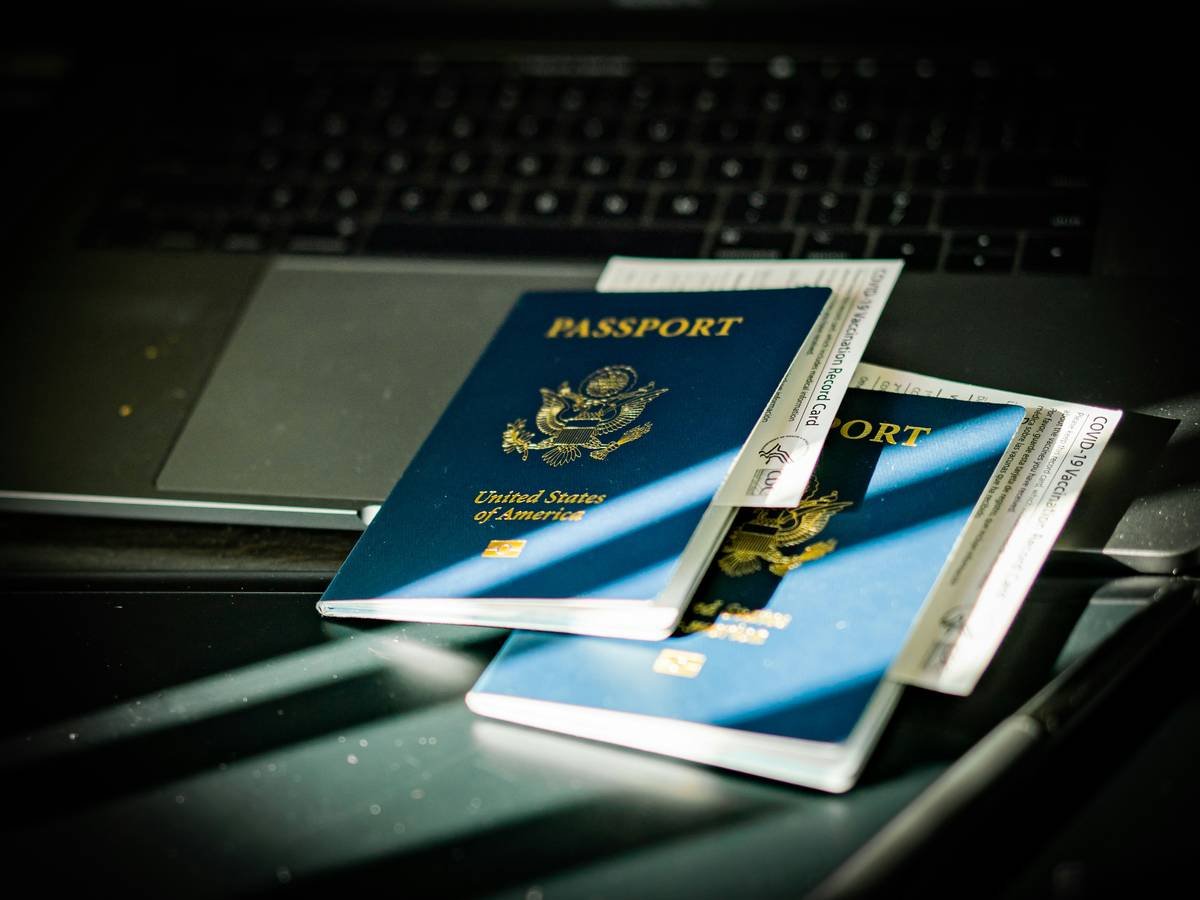
Confessional fail: On a Lisbon-to-Reykjavik leg via Frankfurt, I once relied on my email confirmation as “proof.” The airline claimed I missed check-in cutoff by 9 minutes. My claim? Denied. I lost €340 on rebooking. Now? Every trip lives in a synced ecosystem. No more tears over PDFs.
How to Set Up Itinerary Backup Tools That Actually Work
Optimist You: “Just forward emails to TripIt!”
Grumpy You: “Ugh, fine—but only if coffee’s involved *and* it auto-syncs with my insurer.”
Let’s build your bulletproof backup system in four no-BS steps:
Step 1: Centralize Every Confirmation in One Place
Use TripIt Pro or Google Trips (RIP, but alternatives like Kayak Trips work). Forward all booking emails—including trains, hotels, rental cars—to your itinerary app. Why? Because missed connection claims often require proving you were en route to the next leg (e.g., arriving from a train station).
Step 2: Enable Real-Time Flight Tracking
In TripIt Pro, toggle “Real-Time Alerts.” This logs actual vs. scheduled times, gate changes, and taxi durations—critical evidence if your “on-time” landing still made you miss your connection.
Step 3: Sync with Your Calendar (with Time Zones!)
Export your itinerary to Google Calendar. Enable time zone detection so your layover window adjusts automatically. Bonus: Add 30-minute buffers between legs—this helps prove you allowed reasonable connection time.
Step 4: Pair with a Missed Connection Insurance Policy
Purchase a plan that explicitly covers missed connections on separate tickets. Top picks:
- Berkshire Hathaway Travel Protection ExactCare Extra: Covers up to $1,500 for rebooking if you arrive within the airline’s published minimum connection time.
- Allianz OneTrip Prime: Includes missed connections with max payout of $1,000.
During checkout, note whether the insurer accepts digital logs as proof. BHTP does; some budget providers don’t.
Pro Tips for Maximum Protection (Without Overpaying)
Optimist You: “More tools = safer trips!”
Grumpy You: “Nah. I’m not downloading six apps just ’cause you said so.”
Fair. Stick to these battle-tested practices:
- Screenshot gate cam footage: Airports like Schiphol and Changi offer live gate cameras. If you’re running late, snap a time-stamped pic showing crowds—you can use it as force majeure evidence.
- Use your phone’s location history (temporarily): Before travel, enable Google Location History. Post-trip, you can export a timeline showing your movement through terminals. Delete it after filing claims—privacy first.
- Never rely on airline apps alone: They delete itineraries post-travel. Your backup tool must be independent.
- Check policy fine print for “published minimum connection time” (MCT): If your layover was shorter than MCT (e.g., 50 mins in JFK for int’l), your claim may be void—even with tools.
Terrible tip disclaimer: “Just take a photo of your boarding pass!” Nope. Without timestamps or contextual transit data, it proves nothing. Insurers see 10,000 of those daily.
Real-World Rescues: When Backup Tools Saved the Trip
Case Study #1: Tokyo Layover Limbo
Sarah K., Seattle → Tokyo → Bali (separate tickets). Her ANA flight landed 20 mins late due to windshear. She’d used TripIt Pro with real-time alerts, which logged her actual arrival at Terminal 2 at 14:08—just 12 mins before her Garuda check-in closed. With screenshots + synced calendar, she filed a claim with Allianz OneTrip Prime. Reimbursed $892 in 72 hours.
Case Study #2: The Dublin Detour
Mark T. missed his Aer Lingus connection to New York after a delayed Ryanair flight from Edinburgh. His insurer initially denied the claim—until he submitted Google Timeline data showing he cleared immigration in 18 minutes (beating Dublin’s avg. 35-min wait). Paired with BHTP’s ExactCare Extra, he received $1,240 for a new ticket.
These weren’t flukes. They were systems working as designed—because the travelers treated their itinerary like a legal document, not a wishlist.
FAQs About Itinerary Backup Tools & Missed Connection Coverage
Q: Do free itinerary apps like Google Trips count as “backup tools” for insurance?
A: Only if they provide timestamped, exportable logs. Free versions often lack real-time tracking—so upgrade to Pro or use TripIt’s free tier with manual time logging.
Q: Can I use these tools if I book through a third party like Expedia?
A: Yes—but forward the final airline confirmation email, not the OTA receipt. Insurers want carrier-specific details.
Q: How soon after travel should I submit my digital logs for a claim?
A: Within 20 days. Most policies (like Allianz) require documentation within three weeks of the incident.
Q: Are these tools GDPR-compliant?
A: Reputable ones (TripIt, Kayak) are. Always review privacy settings and delete data post-claim.
Conclusion
Itinerary Backup Tools aren’t about hoarding data—they’re about wielding the right proof at the right time. When missed connection insurance is your safety net, these tools are the ropes that anchor it. Stop gambling with layovers. Start syncing, tracking, and claiming like a pro.
Because the difference between a ruined trip and a reimbursed hiccup isn’t luck—it’s a timestamped itinerary.
Rant section: Why do airlines still hand out flimsy paper boarding passes in 2024? We’re flying supersonic jets but documenting journeys like it’s 1995. Ugh.
Easter egg haiku:
Flight lands, gate closes fast—
But my log lives in the cloud.
Reimbursement blooms.