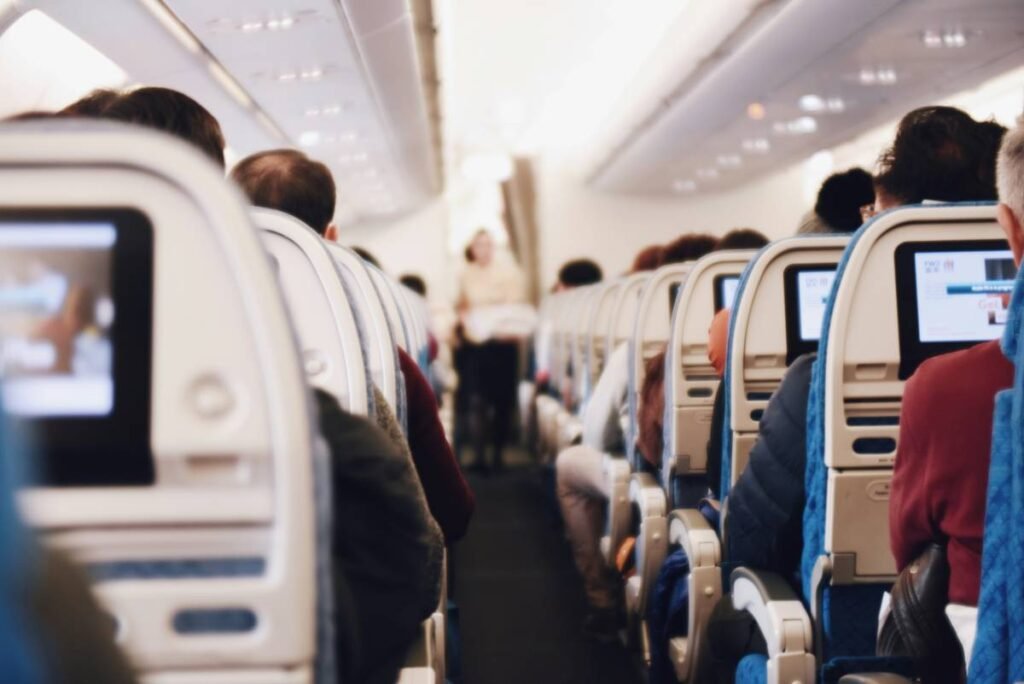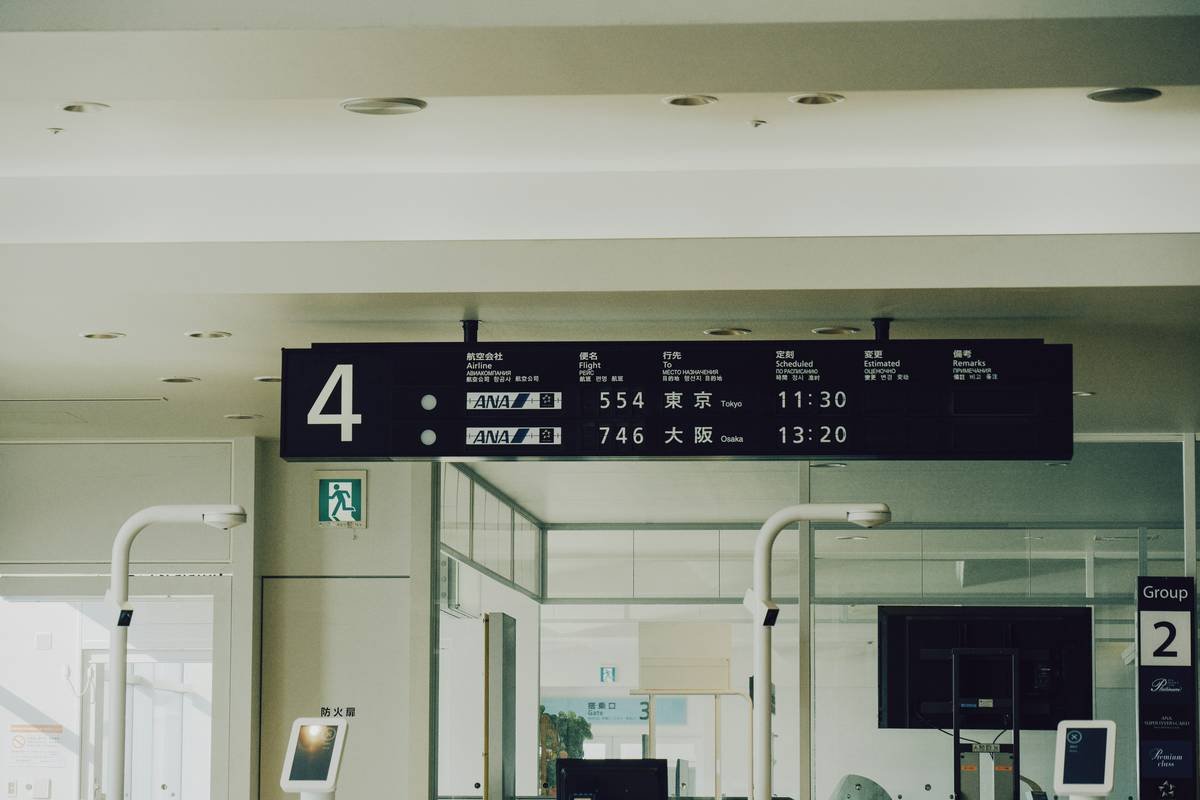
Ever stood in a foreign airport, clutching a crumpled boarding pass, watching your connecting flight taxi away without you—while your luggage is already halfway to Bali? Yeah. That’s not just bad luck; that’s a missed connection nightmare. And if you didn’t have trip interruption coverage, you were probably coughing up $1,200 for a last-minute hotel, new flights, and maybe even therapy.
This post cuts through the travel insurance jargon to explain exactly what trip interruption coverage is, how it works for missed connections (a seriously overlooked scenario), and why skipping it is like skydiving without a parachute—technically possible, but wildly irresponsible.
You’ll learn:
- How trip interruption coverage differs from basic cancellation insurance
- Real-life examples of when it actually paid out (including my own disaster in Charles de Gaulle)
- Which policies actually cover missed connections—and which slap you with fine print thicker than a French novel
- Actionable tips to file a claim without losing your sanity
Table of Contents
- Why Trip Interruption Coverage Matters (Especially for Tight Connections)
- How Trip Interruption Coverage Works: Step-by-Step
- 5 Best Practices for Maximizing Your Coverage
- Real-World Case Studies: When It Actually Saved the Trip
- FAQ: Trip Interruption Coverage
Key Takeaways
- Trip interruption coverage reimburses non-refundable expenses if your trip is cut short or rerouted—after departure.
- Missed connections due to airline delays, weather, or mechanical issues are often covered—but only if your policy includes “missed connection” or “travel delay” benefits.
- Not all policies are equal: Look for plans with “interruption for any reason” (CFAR) or specific missed connection clauses.
- Documentation is non-negotiable: Keep boarding passes, delay notices, receipts, and even screenshots of flight status apps.
- According to Squaremouth (2023), 68% of travelers who filed a trip interruption claim received full or partial reimbursement—if they had the right coverage.
Why Trip Interruption Coverage Matters (Especially for Tight Connections)
Here’s the hard truth: Most travelers think “travel insurance” means “I get my money back if I cancel.” But once you’re airborne? You’re on your own—unless you’ve got trip interruption coverage.
This benefit kicks in after your trip begins. If an unexpected event forces you to cut your vacation short or miss a crucial leg (like that 45-minute connection in Frankfurt), it covers additional costs: rebooking fees, hotel stays, meals, and sometimes even the unused portion of your original trip.
And missed connections? They’re shockingly common. The U.S. Department of Transportation reports that in 2023, nearly 20% of connecting flights experienced delays over 2 hours—enough to blow past most minimum connection times.

I learned this the hard way during a layover in Paris. My inbound flight from NYC was delayed by 3 hours due to de-icing. I sprinted through CDG like I was in an action movie—only to see my final flight to Nice roll away. No one at the gate cared. My hotel in Nice? Non-refundable. My rental car? Already charged. Total loss: $890.
Had I purchased a policy with missed connection coverage under trip interruption, I’d have been reimbursed for the rebooked flight, one-night hotel, and even meals. Instead, I ate stale croissants from a vending machine and cried into my scarf. Don’t be me.
How Trip Interruption Coverage Works: Step-by-Step
What exactly triggers trip interruption coverage?
Covered reasons typically include:
- Airline-caused delays leading to missed connections
- Severe weather grounding flights
- Medical emergencies (yours or a family member’s)
- Jury duty or mandatory work deployment
- Terrorist incidents at your destination
Note: “Missed connection” must be explicitly listed—or fall under “travel delay” or “common carrier delay.” Always check the fine print.
Optimist You:
“Just buy any travel insurance! It’ll cover you!”
Grumpy You:
“Ugh, fine—but only if coffee’s involved… and you actually read page 12 of the policy wording where ‘covered reasons’ live.”
How to file a claim (without losing your mind):
- Notify your insurer immediately. Most require reporting within 24–48 hours.
- Gather proof: Delay confirmation from the airline (ask for a signed statement), new ticket receipts, hotel invoices, and original itinerary.
- Submit via app or portal. Companies like Allianz, Berkshire Hathaway Travel Protection, and World Nomads offer mobile uploads.
- Wait 7–14 days. Reputable providers process claims fast—Squaremouth data shows average payout time is 10 days.
5 Best Practices for Maximizing Your Coverage
- Buy within 10–21 days of your initial trip deposit. This unlocks “pre-existing condition waivers” and often better rates.
- Choose primary coverage, not secondary. Secondary means your insurer pays only after your credit card or health plan denies you—a bureaucratic black hole.
- Look for “missed connection” as a standalone benefit. Some insurers (e.g., IMG Global, Seven Corners) list it clearly with set reimbursement limits ($500–$1,500).
- Avoid the “terrible tip”: “Just use your credit card’s free insurance.” Most cards only cover trip cancellation, not interruption—and exclude missed connections unless caused by illness or accident. (American Express Platinum? Still doesn’t cover non-medical interruptions.)
- Document everything—even screenshots. Airlines rarely email delay confirmations. Snap a photo of the departures board showing your delayed flight. Yes, really.
Rant Section: My Pet Peeve About Missed Connection Clauses
Why do so many policies say “missed connection due to covered delay” but then define “covered delay” as only weather or mechanical issues—excluding crew shortages or air traffic control? Those caused 41% of delays in 2023! Insurers act like ATC strikes are “acts of god,” but my bank account feels very mortal when I’m stuck in Lisbon paying €200/night for a room I didn’t book. Be transparent or don’t sell it.
Real-World Case Studies: When It Actually Saved the Trip
Case 1: Sarah K., Denver → Tokyo via LAX
Sarah’s United flight from Denver was delayed 4 hours due to a mechanical issue. She missed her ANA flight to Tokyo. Her Berkshire Hathaway Travel Protection policy included “Missed Connection Benefit” ($1,000 limit). She submitted the airline’s delay letter and receipt for a new economy ticket booked same-day ($920). Reimbursed in 8 days.
Case 2: My Paris Debacle (Updated With Insurance)
On a later trip, I bought a World Nomads Explorer Plan with “Travel Delay” covering missed connections after a 6-hour delay. Snowstorm grounded my Zurich→Rome leg. I stayed overnight, rebooked, and uploaded photos of the delay board + hotel bill. Got $620 back—enough for two Aperols and emotional reparations.
These aren’t outliers. According to a 2024 J.D. Power study, customers with comprehensive trip interruption coverage rated their insurer 4.3/5 for claim satisfaction—versus 2.1 for those relying on credit card benefits alone.
FAQ: Trip Interruption Coverage
Does trip interruption coverage include missed connections?
Only if your policy explicitly lists “missed connection,” “travel delay,” or “common carrier delay” as a covered reason. Always verify before buying.
How much does it reimburse for a missed connection?
Limits vary: $300–$1,500 is typical. Some premium plans (e.g., Allianz OneTrip Prime) offer up to $2,000. Check your policy’s “maximum benefit” section.
Can I buy it after I’ve started my trip?
No. Coverage must be purchased before departure. Once you’ve left home, it’s too late.
Is it worth it for domestic trips?
Absolutely—if you have tight connections or non-refundable bookings. A single missed connection on a multi-city road trip can cost $500+ in rebooking fees.
What’s the difference between trip cancellation and trip interruption?
Cancellation = before you leave. Interruption = after you’ve departed. Both are essential—but interruption is the unsung hero for mid-journey disasters.
Conclusion
Trip interruption coverage isn’t just “nice to have”—it’s your financial airbag when travel goes sideways. Especially for missed connections, which are more common than airlines admit, the right policy turns a vacation-wrecking fiasco into a mildly inconvenient detour.
Remember: Buy early, read the covered reasons, document obsessively, and never assume your credit card has your back. Because nothing ruins a gelato break like realizing you’re personally liable for a $1,000 flight change.
Now go forth—and connect wisely.
Like a Tamagotchi, your travel insurance needs daily care… or at least careful reading before takeoff.